
The Real Secret to Attraction
Ever wondered why you're attracted to certain people? The answer lies in a complex interplay of factors that shape our perceptions and preferences.
Attraction is a blend of biology, psychology, and social influences. Understanding these elements can provide valuable insights into our relationships and help us navigate the intricate world of human connections.
The Science of Attraction: Unveiling the Mysteries of Human Desire
- Genetics and Evolution: The foundation of physical attraction
- Hormones and Neurotransmitters: The chemical drivers of desire
- Personality and Similarity: The psychological aspects of attraction
- Attachment Styles: How early experiences shape adult relationships
- Social Proof and Peer Influence: The power of collective opinion
- Cultural Standards of Beauty: Societal influences on attractiveness
- Intelligence and Humor: The allure of wit and wisdom
- Kindness and Empathy: The importance of emotional connection
- Environmental Influences on Aesthetic Preferences: How our surroundings shape our tastes
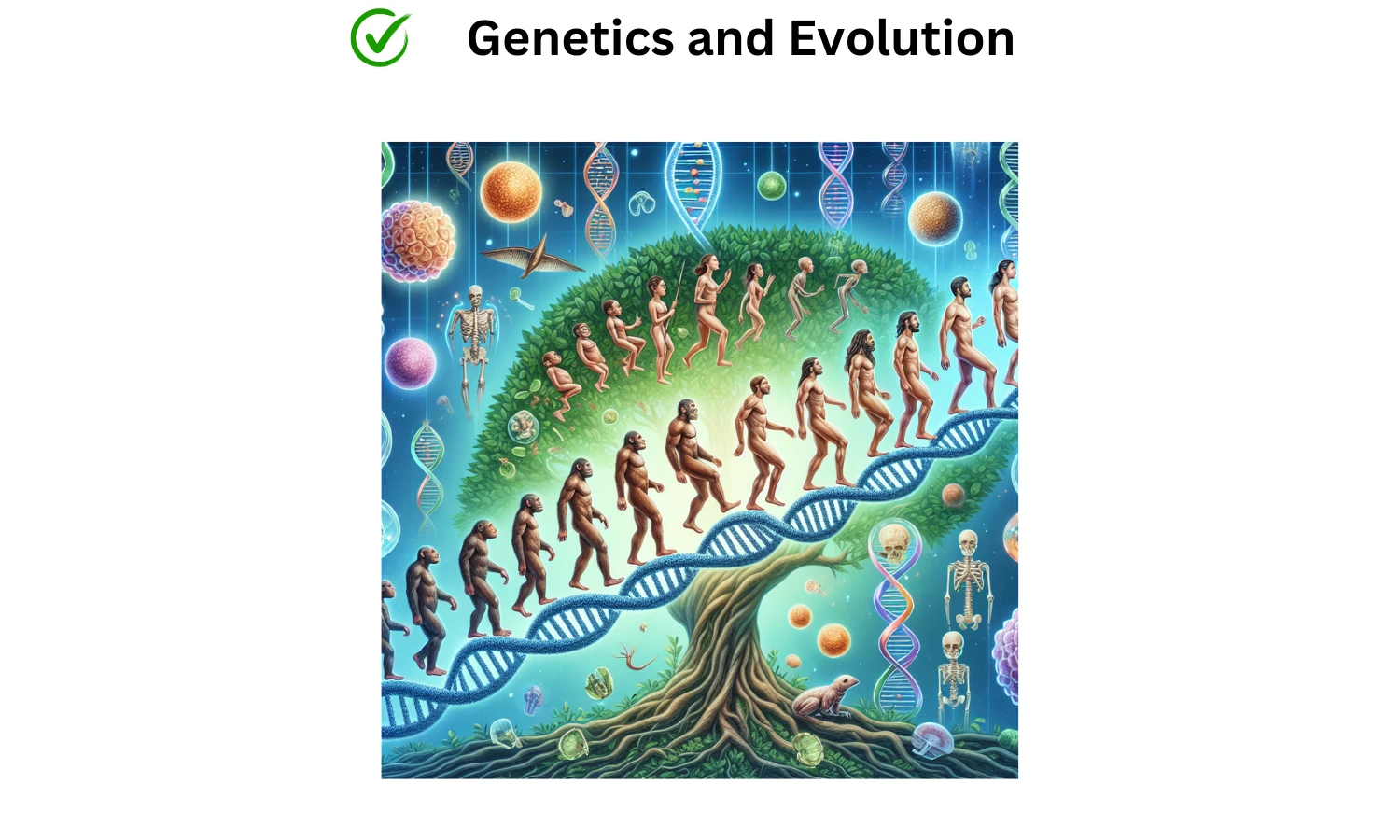
Aspect #1: Genetics and Evolution
Why it's important:
- Traits like symmetry and clear skin signal good health and genetic fitness. These visual cues have been honed through millennia of evolution to help us identify suitable mates.
- These traits indicate a mate's potential to produce healthy offspring. Our ancestors who were attracted to these traits were more likely to have children who survived, passing on these preferences.
- Evolutionary psychology suggests that we are unconsciously drawn to features that signify fertility and vitality. This includes traits like facial symmetry, clear skin, and certain body proportions.
- Genetic diversity also plays a role in attraction, as we are often drawn to partners with different immune systems. This helps ensure a stronger immune system for potential offspring.
Research Findings:
- Facial symmetry and averageness are preferred as they indicate genetic stability. Studies have shown that faces with more symmetrical features are consistently rated as more attractive across cultures.
- Research has found that women tend to prefer men with more masculine features during ovulation. This suggests a biological drive to seek out partners with potentially beneficial genes when fertility is at its peak.
- The "waist-to-hip ratio" in women and "shoulder-to-hip ratio" in men have been found to be universally attractive. These ratios are indicators of hormonal health and reproductive fitness.
- Studies on pheromones suggest that we may be subconsciously attracted to the scent of people with complementary immune systems. This could be nature's way of promoting genetic diversity in offspring.
Aspect #2: Hormones and Neurotransmitters
Role of Hormones:
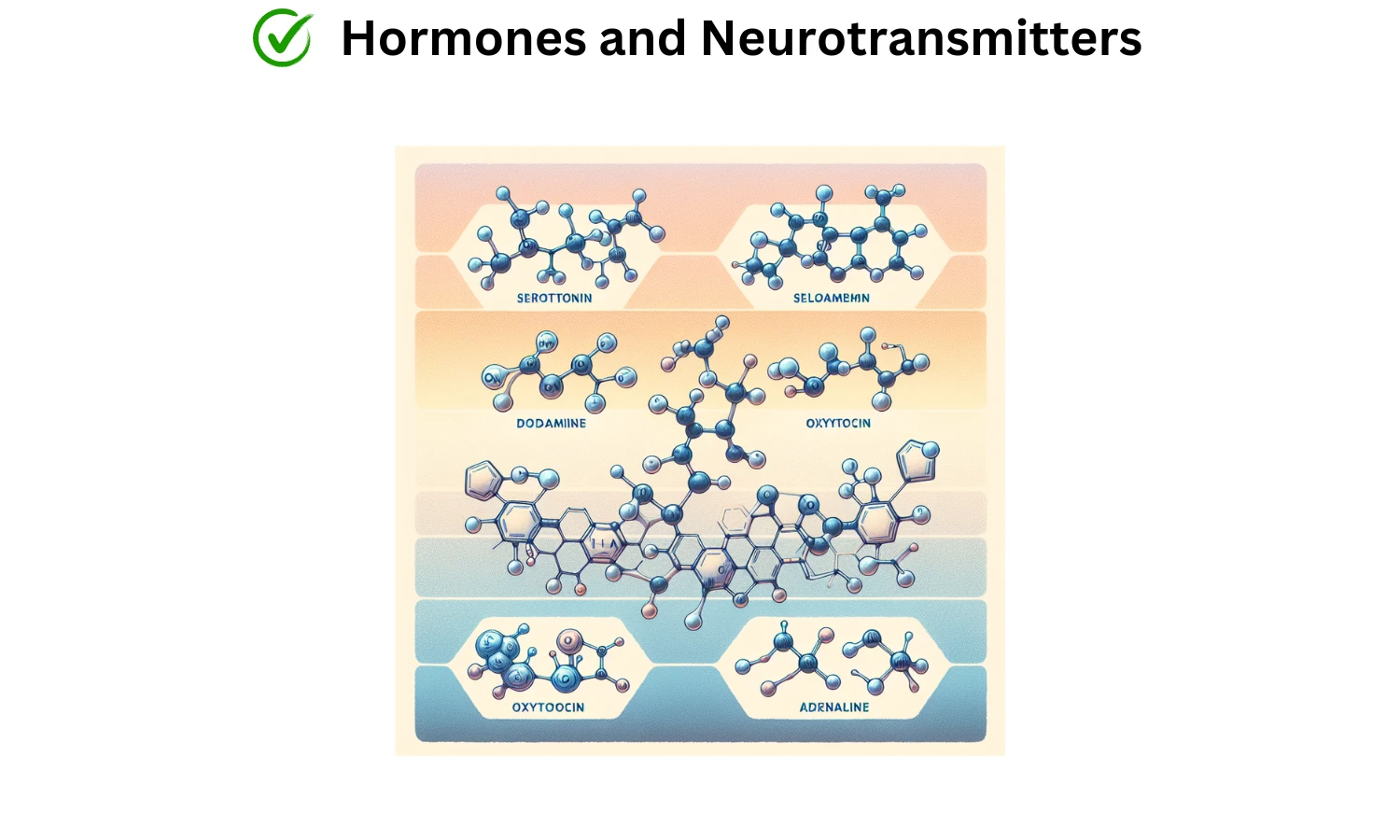
- Testosterone in men and estrogen in women are linked to attractiveness. These hormones influence secondary sexual characteristics that are often considered attractive, such as deeper voices in men and softer features in women.
- Dopamine and oxytocin play crucial roles in attraction and bonding. These neurotransmitters are often referred to as "feel-good" chemicals, creating positive associations with potential partners.
- Cortisol, the stress hormone, can also influence attraction. Lower levels of cortisol are associated with higher attractiveness, possibly because it signals better stress management and overall health.
- Pheromones, while less understood in humans, may play a subtle role in attraction. Some studies suggest that we can detect and respond to these chemical signals subconsciously.
Biochemical Effects:
- Dopamine makes us feel euphoric with someone we are attracted to. This neurotransmitter is associated with the reward system in our brain, creating a sense of pleasure and motivation to pursue the object of our attraction.
- Oxytocin promotes bonding and long-term relationships. Often called the "cuddle hormone," oxytocin is released during physical touch and intimacy, fostering feelings of trust and attachment.
- Serotonin levels tend to drop in the early stages of romantic love. This can lead to obsessive thoughts about the person we're attracted to, similar to what's observed in Obsessive-Compulsive Disorder (OCD).
- Norepinephrine, similar to adrenaline, can cause physical symptoms of attraction like a racing heart or sweaty palms. These physical responses can intensify feelings of excitement and attraction.
Aspect #3: Personality and Similarity
Similarity-Attraction Theory:
- Shared interests and attitudes enhance attraction by reducing conflict. This similarity creates a sense of understanding and validation, making interactions more enjoyable and rewarding.
- People tend to be attracted to those who share similar values and beliefs. This alignment can lead to a stronger sense of connection and compatibility in relationships.
- Similar personality traits, such as levels of extroversion or openness, can contribute to attraction. This similarity can make communication easier and more natural between partners.
- Shared experiences or backgrounds can also increase attraction. This common ground provides a foundation for understanding and empathy in relationships.
Impact on Relationships:
- Personality alignment contributes to relationship satisfaction and longevity. Couples with similar personalities often report higher levels of happiness and stability in their relationships.
- Complementary traits can also play a role in attraction. Sometimes, people are drawn to partners who possess qualities they lack or admire, creating a sense of balance in the relationship.
- Shared goals and aspirations can strengthen attraction over time. Couples who work towards common objectives often feel more connected and supportive of each other.
- While similarity is important, some degree of difference can keep relationships exciting. A balance between similarity and novelty can contribute to long-term attraction and relationship satisfaction.
Aspect #4: Attachment Styles
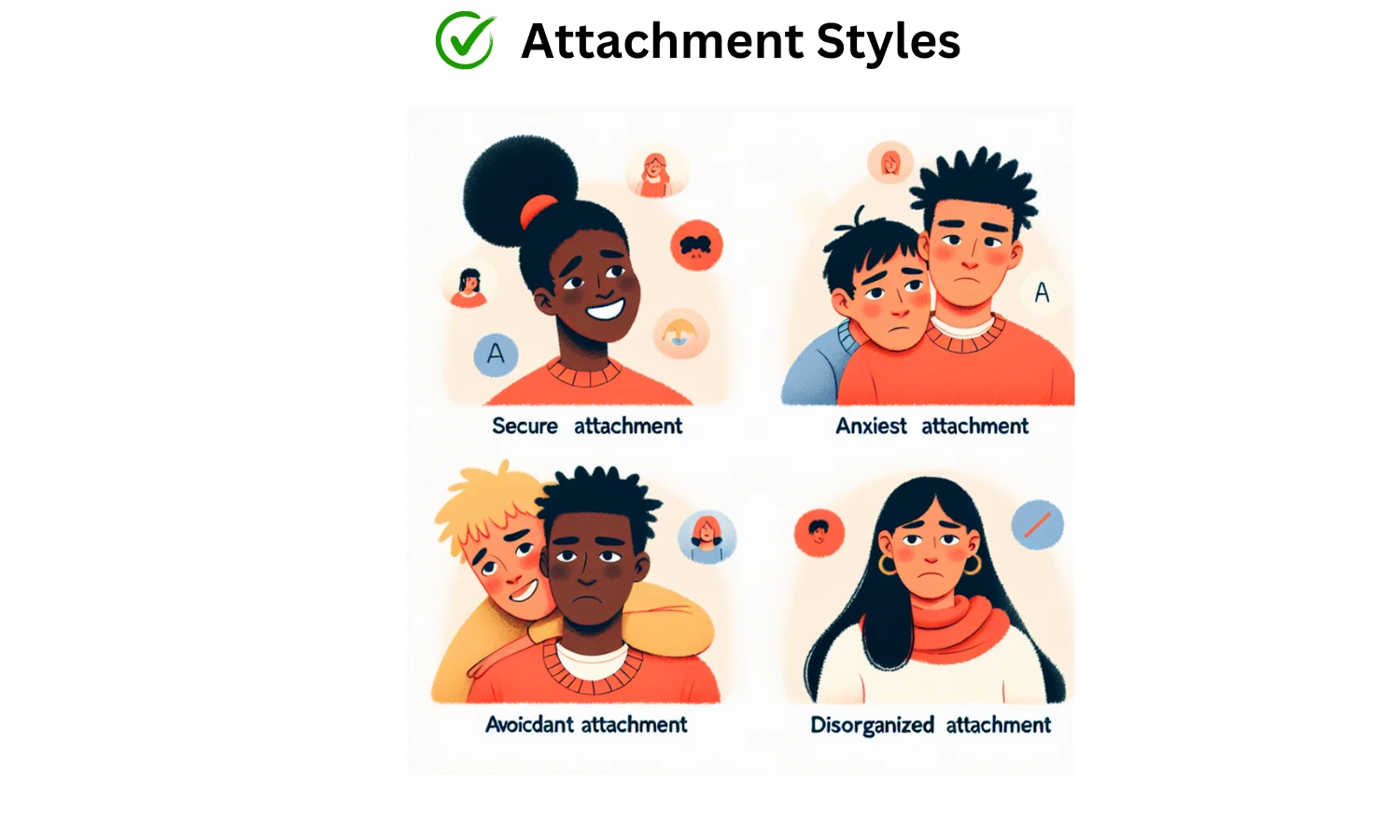
Early Influences:
- Early attachment experiences shape adult relationships. The bonds formed with primary caregivers in childhood create a template for future romantic relationships.
- Childhood experiences with love, trust, and security influence adult attachment patterns. These early interactions form the basis of our expectations and behaviors in intimate relationships.
- Parental relationships serve as models for future partnerships. Children often internalize the relationship dynamics they observe between their parents or primary caregivers.
- Traumatic experiences in childhood can significantly impact adult attachment styles. Unresolved childhood trauma may lead to difficulties in forming secure attachments later in life.
Types of Attachment:
- Secure attachment leads to healthier relationships. Individuals with secure attachment styles tend to have more stable, satisfying, and long-lasting romantic partnerships.
- Anxious or avoidant styles affect perceptions and reactions to attraction. These insecure attachment styles can lead to challenges in forming and maintaining intimate relationships.
- Anxious attachment may result in seeking constant reassurance from partners. This can manifest as clinginess or fear of abandonment in romantic relationships.
- Avoidant attachment often leads to emotional distance in relationships. Individuals with this style may struggle with intimacy and commitment, preferring independence over close emotional bonds.
Aspect #5: Social Proof and Peer Influence
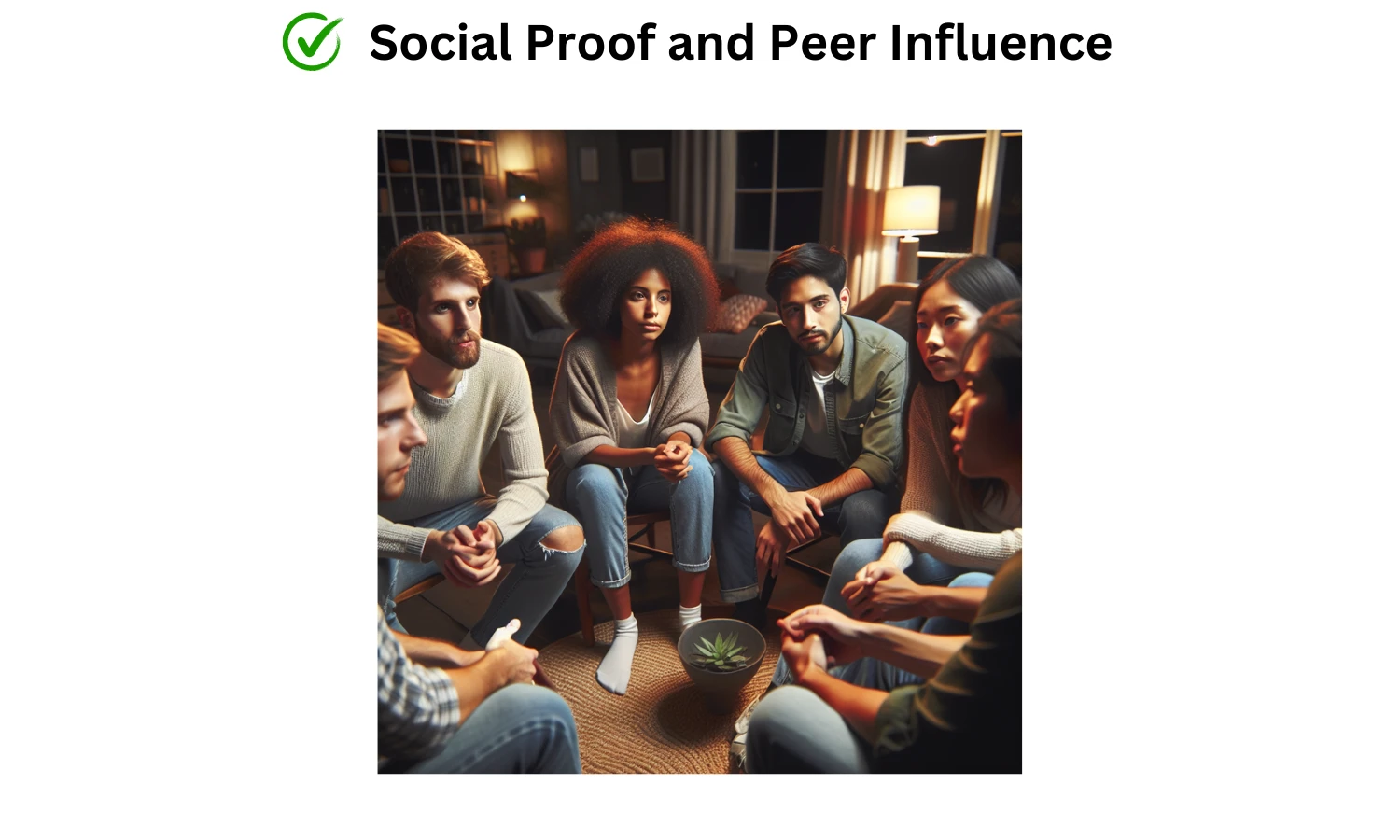
Peer Impact:
- Attraction is often influenced by others' opinions and behaviors. We tend to find people more attractive when they are perceived positively by our social group.
- Social proof highlights the impact of societal perceptions on individual preferences. The popularity or social status of a potential partner can significantly influence their perceived attractiveness.
- Group dynamics can shape individual attraction preferences. People often align their preferences with those of their peer group to maintain social harmony and acceptance.
- Media and celebrity culture play a role in shaping attraction standards. Popular figures often set trends in what is considered attractive, influencing individual preferences.
Aspect #6: Cultural Standards of Beauty
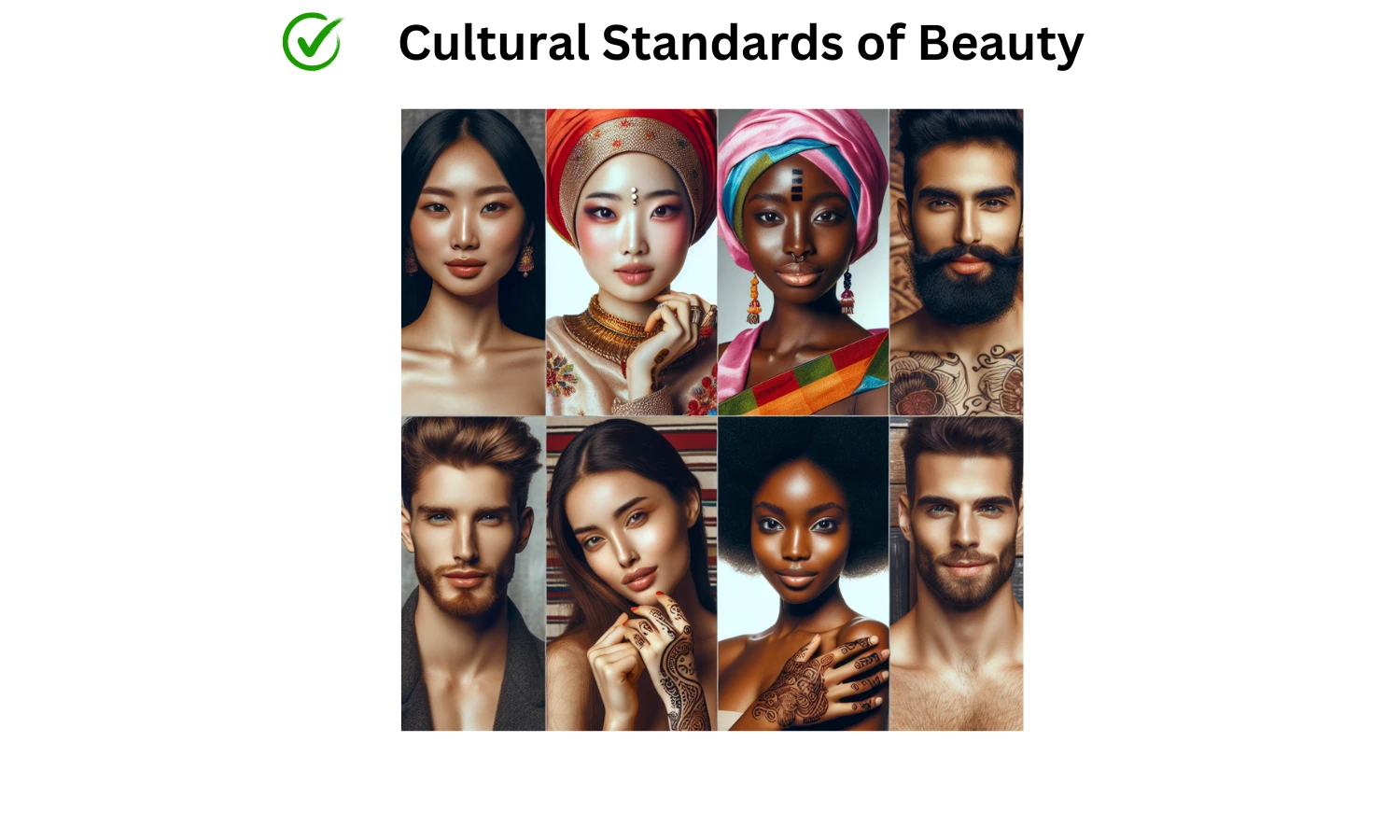
Cultural Variations:
- Beauty standards vary across cultures, influenced by media and societal changes. What is considered attractive in one culture may be viewed differently in another.
- Historical context plays a role in shaping beauty ideals. Standards of attractiveness have evolved over time, reflecting changing social, economic, and cultural factors.
- Globalization has led to some convergence of beauty standards. However, many cultures still maintain unique ideals of attractiveness that reflect their specific values and traditions.
- Cultural beauty standards can impact self-esteem and body image. These ideals often influence personal grooming habits, fashion choices, and even cosmetic surgery trends.
Examples:
- Western cultures often idealize thinness and youth, while other cultures may value different traits such as body size or facial features. For instance, some African cultures associate fuller figures with beauty and prosperity.
- In some Asian cultures, fair skin is often considered a sign of beauty. This preference has historical roots and continues to influence beauty standards in many Asian countries.
- Body modifications, such as neck elongation in some African tribes or foot binding in historical China, demonstrate how cultural beauty standards can shape physical appearance. These practices reflect deeply ingrained cultural values and beliefs about attractiveness.
- Facial features like eye shape, nose size, and lip fullness are perceived differently across cultures. What's considered attractive can vary widely, influenced by both genetic prevalence and cultural ideals.
Aspect #7: Intelligence and Humor

Desirable Traits:
- Intelligence and a good sense of humor are highly attractive, suggesting problem-solving abilities and adaptability.
- These traits indicate cognitive flexibility and creativity, which are valuable in navigating life's challenges.
- Witty banter and intellectual conversations can create a strong emotional connection between individuals.
- The ability to make others laugh is often seen as a sign of confidence and social intelligence.
Long-term Appeal:
- These traits are valuable in forming stable and dynamic relationships.
- Intellectual compatibility can lead to deeper, more meaningful connections over time.
- Shared laughter and intellectual stimulation can help maintain relationship satisfaction through various life stages.
- The ability to approach problems with both intelligence and humor can reduce relationship stress and conflict.
Intelligence and humor play crucial roles in attraction and relationship dynamics. These qualities not only enhance initial appeal but also contribute significantly to long-term relationship satisfaction and resilience.
Research has shown that both men and women consistently rank intelligence and a good sense of humor among the top desirable traits in a potential partner. These characteristics are often associated with genetic fitness and the ability to be a good provider and supportive partner.
Aspect #8: Kindness and Empathy
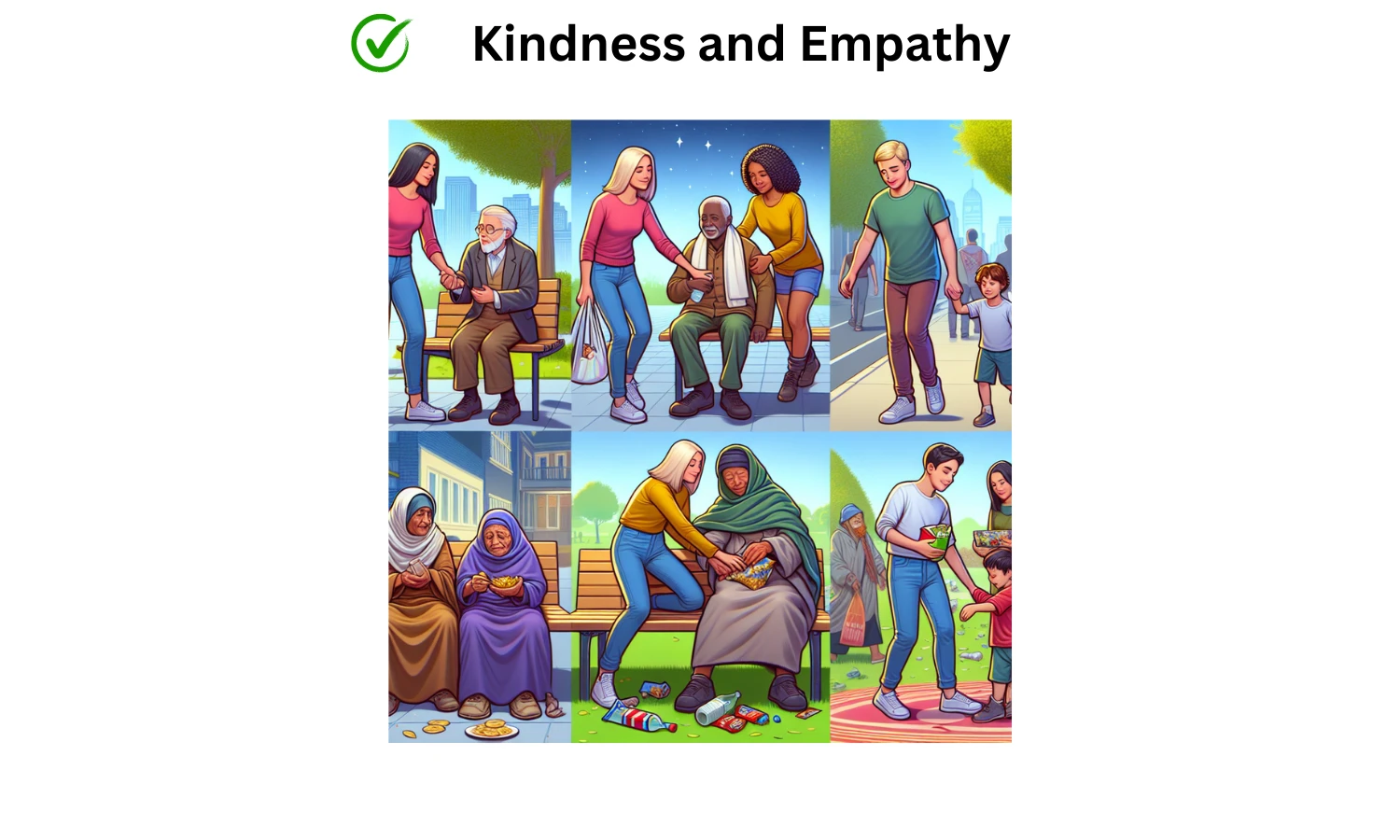
Prosocial Behaviors:
- Acts of kindness and empathy indicate a person's capacity to care for others, critical in long-term relationships.
- These behaviors demonstrate emotional intelligence and the ability to understand and respond to others' needs.
- Kindness and empathy foster trust and create a safe emotional environment in relationships.
- People who exhibit these traits are often perceived as more approachable and likable.
Relationship Stability:
- People are often attracted to those who exhibit these behaviors, suggesting a stable and nurturing partnership.
- Kindness and empathy contribute to effective communication and conflict resolution in relationships.
- These qualities help create a supportive environment that can weather challenges and promote personal growth.
- Partners who consistently show kindness and empathy are more likely to maintain long-term relationship satisfaction.
Kindness and empathy are fundamental to building strong, lasting relationships. These qualities create a foundation of trust and mutual understanding, essential for navigating the complexities of long-term partnerships.
Studies have shown that acts of kindness and expressions of empathy can significantly increase attraction between individuals. These prosocial behaviors are often interpreted as indicators of good character and the potential for being a supportive and caring partner.
Aspect #9: Environmental Influences on Aesthetic Preferences
Personal Experiences:
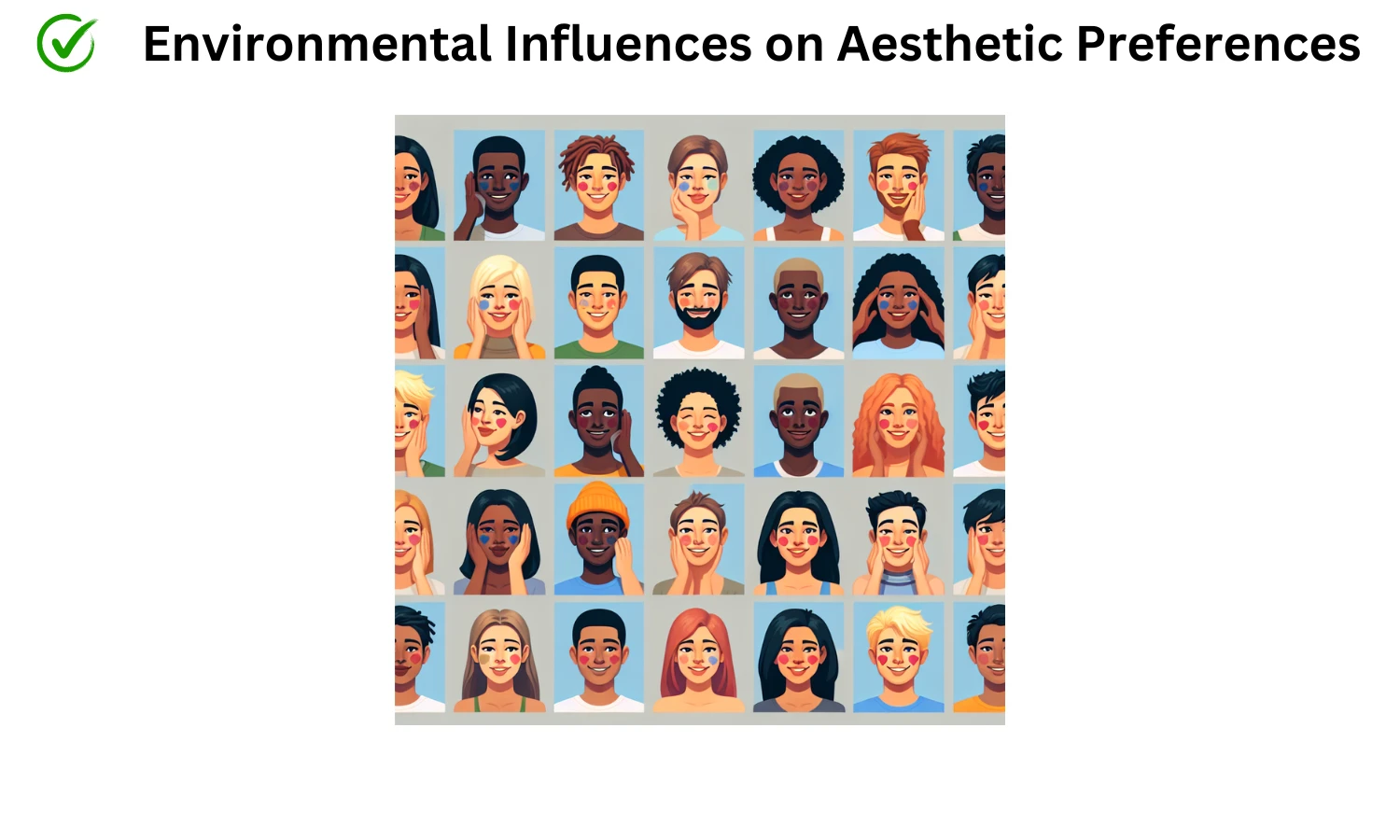
- Personal experiences with friends, peers, and media shape individual preferences for faces.
- Early life experiences and exposure to diverse faces can significantly influence adult facial preferences.
- Cultural norms and societal standards of beauty play a role in shaping individual aesthetic preferences.
- Media representation and celebrity culture can impact what individuals consider attractive.
Impact on Social Brain:
- These experiences are unique to each individual and contribute significantly to face preferences.
- The social brain adapts to the faces we encounter regularly, influencing our perception of attractiveness.
- Repeated exposure to certain facial features can increase their perceived attractiveness over time.
- The brain's plasticity allows for changes in aesthetic preferences throughout life based on new experiences.
Research Findings:
- A study by Germine et al. (2015) found that individual aesthetic preferences for faces are shaped mostly by environments, not genes.
- This research highlights the significant role of personal experiences in determining what we find attractive.
- The study suggests that our preferences are more malleable than previously thought, influenced by our unique life experiences.
- These findings have implications for understanding the diversity of beauty standards across cultures and individuals.
Environmental influences play a crucial role in shaping our aesthetic preferences, particularly for faces. Our unique experiences, cultural exposure, and social interactions all contribute to what we find attractive.
Understanding the impact of environmental factors on attraction can help us appreciate the diversity of beauty standards. It also highlights the fluid nature of attractiveness, which can evolve over time based on our experiences and surroundings.
The science of attraction is intricate. It involves biological instincts, psychological preferences, and social influences.
Understanding these elements can provide valuable insights into our relationships, helping us navigate the complex world of human connections.