
How Attractive Am I? (Attractiveness Test)


Facial Analysis
FWHR, golden ratio, symmetry & more — analyzed in your browser. Your photo never leaves your device.
Aesthetic-geometry estimate for fun & self-improvement — not a medical assessment or a judgement of any person.
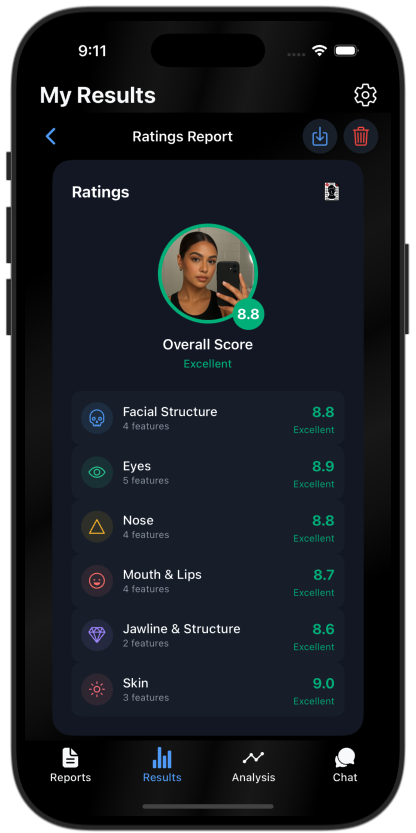
The "How Attractive Am I?" assessment combines insights from both the Ratings report and the Features report in the Maxx Report app. The Ratings report analyzes 22+ characteristics focusing on overall aesthetic appeal, providing a comprehensive 1-10 attractiveness score based on facial harmony, proportions, and conventional beauty standards.
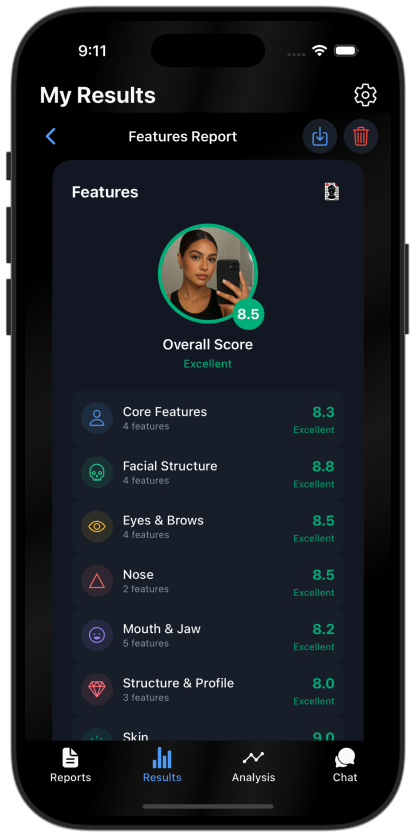
The Features report complements this by examining 24 distinct facial characteristics including facial symmetry, golden ratio proportions, and specific feature analysis. Together, these reports evaluate your face shape, eye shape, nose shape, lip shape, facial age, and overall facial balance to provide a complete attractiveness assessment.
This comprehensive analysis helps you understand your strongest features, identifies areas for potential enhancement, and provides personalized recommendations for maximizing your natural attractiveness through styling, grooming, and aesthetic improvements.
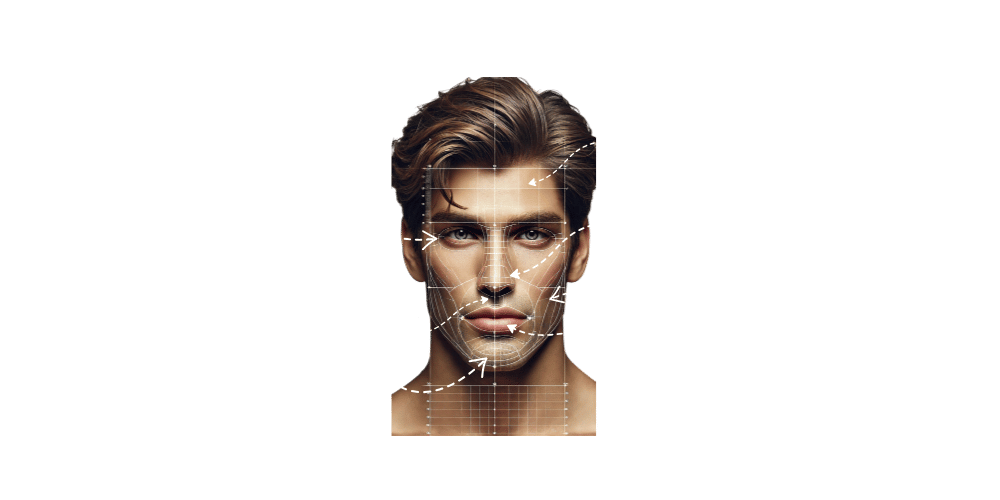
Attractiveness Analysis Features
Facial Symmetry Analysis
Our AI analyzes facial symmetry by comparing both sides of your face, identifying areas of balance and potential enhancements.
Feature Proportions
We measure key facial proportions including facial thirds, width-to-height ratio, and other critical measurements that define attractiveness.
Aesthetic Harmony
Our algorithm evaluates how well your facial features work together, analyzing relationships between eyes, nose, lips, and jaw.
Personalized Score
Receive a detailed attractiveness score based on multiple factors, with specific insights into your strongest features.
Enhancement Guide
Get personalized recommendations for maximizing your attractiveness through styling, grooming, and feature-specific advice.
Progress Tracking
Track changes in your attractiveness score over time as you implement recommended improvements.
Comprehensive Attractiveness Analysis Reports
Ratings Report
Features Report
Get Maxx Report
The complete guide: how attractive am I, how pretty am I, and how AI face rating works
Why We Ask: The Curiosity Behind Attractiveness and Face Analysis
Understanding the Universal Curiosity
Questions like "How attractive am I?" or "How pretty am I face analysis?" are common in today's image-driven world. This curiosity is not just about vanity—it reflects a deeper desire for self-understanding, confidence, and self-improvement. With the rise of AI-powered tools, people are increasingly seeking objective, data-driven answers to how they are perceived and how they can enhance their appearance.
Research shows that humans are naturally drawn to attractive faces, often associating beauty with positive traits such as trustworthiness and competence. This connection influences social interactions, career opportunities, and self-esteem. The popularity of face analysis tools and attractiveness quizzes reflects our collective interest in understanding and improving our looks in a measurable way.
Self-Perception vs. External Validation
Our self-image is shaped by both internal perceptions and external feedback. Social media, likes, and comments provide instant validation, but can also distort reality and self-worth. AI-based face analysis tools offer a seemingly impartial perspective, helping bridge the gap between self-perception and how others might see us. However, it is important to balance these results with a healthy self-image, recognizing that no single score defines your value.
The Impact of Digital Culture
- Social media amplifies beauty standards, making face analysis and attractiveness quizzes more popular than ever.
- Filters and editing apps set new, sometimes unrealistic, benchmarks for attractiveness.
- Viral trends and quizzes tap into our curiosity and insecurities, offering quick comparisons and feedback.
Ultimately, the use of AI tools for face analysis is about seeking clarity, validation, and practical advice for self-improvement, not just superficial judgment.
The Evolution of Attractiveness Tests: From Quizzes to AI Face Analysis
From Magazine Quizzes to AI Algorithms
Attractiveness and beauty rating tests have evolved significantly. Early quizzes were largely subjective, relying on self-reported answers and reinforcing narrow beauty standards. Today, AI-powered face analysis tools use advanced algorithms to scan your photo, measure facial features, and provide a detailed, data-backed beauty score.
- Early online quizzes were mostly for entertainment and lacked scientific rigor.
- Modern AI tools analyze thousands of data points, offering more accurate and personalized assessments.
- Apps like Maxx Report break down your results by feature—such as jawline, symmetry, and skin clarity—delivering actionable feedback.
The Allure and Limits of Objectivity
People are drawn to AI face analysis because it promises objectivity, using measurable criteria rather than subjective opinions. However, even AI is influenced by the data it is trained on, which may reflect certain cultural beauty standards. While leading apps strive for inclusivity, it is wise to view any beauty score as just one perspective among many.
For the most useful results, choose tools that provide detailed breakdowns and improvement tips, not just a single number.
The Science of Facial Attractiveness: What AI Analyzes
Facial Symmetry
Symmetry is a core component of facial attractiveness. Studies suggest that symmetrical faces are perceived as healthier and more genetically fit. AI face analysis tools use facial landmark detection to measure the alignment and balance between both sides of your face. Even small asymmetries—like uneven eyebrows or nostrils—can affect your score. While no one is perfectly symmetrical, higher symmetry often correlates with higher attractiveness ratings.
Proportion and the Golden Ratio
The "golden ratio" (approximately 1.618:1) is a mathematical principle often associated with beauty, especially in facial proportions. AI tools measure distances between your eyes, nose, and mouth, comparing them to this ideal. Key ratios—such as mouth-to-nose and nose-to-chin—are analyzed to see how closely you match classic beauty standards and population averages.
Skin Quality and Texture
Clear, smooth skin is universally linked to attractiveness. AI skin analysis detects blemishes, uneven tone, redness, acne, and texture irregularities. Pore size, hydration, and signs of aging are also measured. Some apps suggest personalized skincare routines based on your analysis, helping you target specific concerns and improve your beauty score.
Jawline, Eyes, and Other Features
- Jawline definition: A strong, well-defined jawline signals youth and health. AI assesses shape, definition, and width-to-height ratio.
- Eye size and spacing: Large, well-spaced eyes are typically rated as more attractive. AI measures these dimensions for your score.
- Lip fullness and shape: Full, well-shaped lips are another key cue.
- Cheekbone prominence, nose proportion, and brow height are also factored into your overall attractiveness rating.
- Smile analysis: Some tools evaluate teeth alignment and lip symmetry for a more complete assessment.
Each of these elements can be objectively analyzed with modern AI tools, providing insights that go beyond guesswork or biased opinions.
How AI Attractiveness Tests Work: From Photo to Personalized Report
Behind the Scenes: Computer Vision and Machine Learning
AI attractiveness tests use sophisticated algorithms to analyze facial images. The process typically involves:
- Facial detection: Locating key landmarks such as eyes, nose, mouth, and jawline.
- Feature mapping: Measuring distances and angles for symmetry and proportion analysis.
- Texture and skin analysis: Scanning for skin quality, including evenness, blemishes, and signs of aging.
- Dataset comparison: Comparing your features to large datasets of faces rated for attractiveness by human panels.
These steps happen in seconds, thanks to advances in computing power and AI models trained on millions of facial images.
Scoring and Feedback
After analysis, the AI assigns an attractiveness or beauty score, often on a 1-10 scale. Some apps, like Maxx Report, break this down further, giving separate ratings for symmetry, jawline, skin, and other features. Detailed reports highlight your strongest and weakest features, providing actionable insights rather than just a vague number.
Privacy and Data Security
Reputable AI attractiveness apps prioritize privacy. Images are typically analyzed instantly and deleted from servers. Always review the privacy policy of any app or website before uploading your photo. Responsible providers use secure, encrypted processes and never share results without your consent.
Step-by-Step: Taking an AI Attractiveness or Face Analysis Test
Step 1: Choosing the Right Tool
Not all attractiveness tests are created equal. Look for an app or website that:
- Uses AI or machine learning for analysis
- Provides transparent information about scoring methods
- Offers actionable feedback, not just a single score
- Protects your privacy and data
Maxx Report is a leading example, offering detailed AI-powered looksmaxxing reports and transformation plans.
Step 2: Preparing Your Photo
For the most accurate AI attractiveness test, follow these guidelines:
- Use a high-quality, well-lit, front-facing photo
- Remove glasses, hats, or anything obstructing your face
- Maintain a neutral expression for objective analysis
- Ensure your entire face is visible in the frame
Step 3: Upload and Analyze
Upload your photo to the platform. The AI will analyze your face and, within seconds, generate a comprehensive attractiveness report. Expect:
- An overall attractiveness or beauty score
- Breakdowns for symmetry, jawline, skin, and other features
- Personalized suggestions for improvement
Some platforms also offer quiz components, combining image analysis with lifestyle or grooming questions for richer feedback.
Step 4: Interpreting Results
Remember, your score is a tool for self-understanding—not a fixed verdict. Use the feedback to focus on specific features you can enhance, and view the results as one perspective among many. Consistent use can help you track progress and refine your self-care routine.
Personalized Glow-Up and Transformation Plans
From Analysis to Action
The real value of AI face analysis is in the personalized recommendations you receive. Leading apps like Maxx Report go beyond ratings by offering data-driven glow-up plans tailored to your unique features. These plans are designed to be actionable, realistic, and focused on gradual transformation—not unrealistic perfection.
What a Glow-Up Plan Includes
- Targeted skincare routines: Based on your skin analysis, including tips for hydration, blemish control, and even tone.
- Jawline and facial exercises: To improve definition and facial structure.
- Grooming and haircare advice: Suggestions for hairstyles, facial hair, and grooming that complement your face shape.
- Makeup techniques: Tailored to highlight your strengths and balance your features.
- Style recommendations: Clothing, color palettes, and accessories that suit your features and skin tone.
- Fitness and wellness guidance: Ideas for improving posture, body composition, and overall health, which can impact facial appearance.
Tracking Progress and Continuous Improvement
Many AI face analysis platforms allow you to track changes over time. By periodically uploading updated photos, you can see how your attractiveness score evolves with new habits or styles. This creates a powerful feedback loop, motivating you to stick with healthy routines and try new looks. Regular scans help you refine your glow-up plan based on real progress.
Building Confidence and Self-Awareness
Objective analysis can help you break free from unhelpful self-criticism and focus on what makes you uniquely attractive. Personalized glow-up plans empower you to take control of your transformation journey, building confidence and self-awareness along the way.
Benefits and Limitations of AI Face Analysis
Benefits
- Objective, actionable feedback: AI uses standardized metrics to ensure fairness and accuracy, removing subjective bias.
- Personalized recommendations: Tailored plans for skincare, grooming, style, and more.
- Time and cost efficiency: Instant results without the need for expensive consultations.
- Progress tracking: Monitor your transformation over time with repeat scans.
- Privacy and convenience: Secure, at-home analysis from your phone or computer.
Limitations and Healthy Perspectives
- Data and cultural bias: AI is only as objective as the data it is trained on, which may reflect certain cultural beauty standards.
- Subjectivity of beauty: Attractiveness is multifaceted and influenced by personality, confidence, and individuality.
- Use as a guide: Treat AI scores as helpful feedback, not absolute truth or a measure of your worth.
- Self-acceptance: Balance technology-based assessments with self-compassion and a healthy outlook.
Using Maxx Report and Looksmaxx AI for Face Rating and Transformation
How Maxx Report Works
Maxx Report is a leading AI-powered face analysis tool that provides detailed ratings and personalized transformation plans. To use it:
- Upload a clear, front-facing photo of your face.
- The AI analyzes key features: jawline, symmetry, skin, eyes, lips, and more.
- You receive a comprehensive report with scores for each feature and a custom glow-up plan based on your unique data.
Beyond Face Rating
Maxx Report offers a holistic approach to self-improvement, including analyses for dreams, symbolism, and style. This ensures you receive a full spectrum of personalized recommendations for your appearance and overall well-being.
Continuous Improvement and Progress Tracking
Regular use of Maxx Report allows you to monitor visible changes, refine your glow-up plan, and stay motivated. Monthly scans can help you track your journey and make adjustments as needed for the best results.
Conclusion
AI-powered face analysis and attractiveness tests have revolutionized how we understand and improve our looks. By leveraging advanced algorithms, tools like Maxx Report and looksmaxx ai provide objective, actionable insights into your facial features, symmetry, and skin quality. These platforms go beyond simple ratings, offering personalized glow-up plans and tracking your progress over time.
While AI analysis offers valuable feedback, remember that beauty is multifaceted and deeply personal. Use these tools as guides for self-improvement and confidence-building, not as final judgments. Balance technology-based insights with self-acceptance and a healthy perspective. Embrace the journey of self-discovery and transformation, focusing on habits and choices that help you look and feel your best.
FAQ
- Are AI attractiveness tests accurate?
AI attractiveness tests use advanced algorithms and large datasets to objectively analyze facial features, symmetry, and skin quality. While they are more reliable than subjective quizzes, no test can fully capture the nuances of individual beauty or cultural differences. Use them as a helpful guide, not an absolute verdict. - What features do AI face analysis tools evaluate?
Most tools analyze jawline, symmetry, skin quality, eye size and spacing, lip shape, cheekbone prominence, and overall facial proportions. Some also assess smile, teeth, and signs of aging. - Can I improve my attractiveness or beauty score?
Yes! Many platforms offer personalized tips for skincare, grooming, facial exercises, and style based on your analysis. Consistent effort and healthy habits can lead to a higher score over time. - Is my data safe when using these tools?
Reputable AI face analysis apps prioritize privacy by processing images securely and deleting them after analysis. Always review privacy policies before uploading your photo. - How often should I use face analysis apps?
Regular scans (such as monthly) help you track changes and update your glow-up plan based on real progress. This supports continuous self-improvement. - Do these tools consider cultural differences in beauty?
Most AI models are trained on diverse datasets, but beauty standards can still vary by region and culture. Take results as one perspective, not the definitive answer on your attractiveness. - Is it healthy to use face analysis apps?
They can be helpful for self-improvement if used in moderation and with a balanced perspective. Remember, your worth isn't defined by a number or rating.