
Mastering Lucid Dreaming: Techniques and Benefits

Lucid dreaming is the remarkable ability to become aware that you're dreaming while still in the dream state, allowing you to potentially influence and direct your dream experiences. This powerful practice can lead to enhanced creativity, problem-solving abilities, and personal growth. To track and analyze your lucid dreams, try our Dream Analysis tool.
Understanding Lucid Dreaming
Lucid dreaming occurs when you maintain consciousness during the dream state, creating a unique blend of dreaming and waking awareness:
- Awareness of being in a dream state
- Potential control over dream environment
- Maintained memory of the experience
- Ability to think clearly and rationally
- Enhanced sensory experiences
Benefits of Lucid Dreaming
Research has identified numerous potential benefits of regular lucid dreaming practice:
- Reduced Nightmares: Control over dream content can help manage recurring nightmares
- Enhanced Creativity: Access to unlimited dream scenarios can boost creative thinking
- Improved Problem-Solving: Practice scenarios in a consequence-free environment
- Better Motor Skills: Mental rehearsal of physical activities
- Emotional Healing: Process and resolve emotional issues
Core Techniques for Lucid Dreaming
Several proven techniques can help you achieve and maintain lucid dreams:
Reality Testing
- Regular reality checks throughout the day
- Questioning your state of consciousness
- Looking for dream signs and inconsistencies
- Practicing mindfulness and awareness
- Developing critical thinking about your environment
Wake Back to Bed (WBTB)
- Wake up during REM sleep periods
- Stay awake briefly (15-30 minutes)
- Return to sleep with lucid intention
- Focus on dream recall and awareness
- Maintain dream journal practice
Advanced Lucid Dreaming Skills
Once you achieve lucidity, these techniques can help you maintain and control the dream state:
- Dream Stabilization: Methods to prevent premature awakening
- Dream Control: Techniques for manipulating dream content
- Dream Navigation: Moving through dream environments
- Dream Interaction: Engaging with dream characters
- Dream Goals: Setting and achieving specific objectives
Common Challenges and Solutions
Lucid dreamers often encounter these challenges:
- Premature Awakening: Use dream stabilization techniques
- Loss of Lucidity: Maintain awareness through regular reality checks
- Difficulty Initiating: Practice consistent sleep schedules
- Limited Control: Start with small changes and build up
- Dream Anxiety: Focus on positive intentions and gradual progress
Lifestyle Factors for Success
Optimize your lifestyle to increase lucid dreaming success:
- Maintain consistent sleep schedule
- Practice good sleep hygiene
- Manage stress levels
- Keep a detailed dream journal
- Develop mindfulness practices
Using Technology for Lucid Dreaming
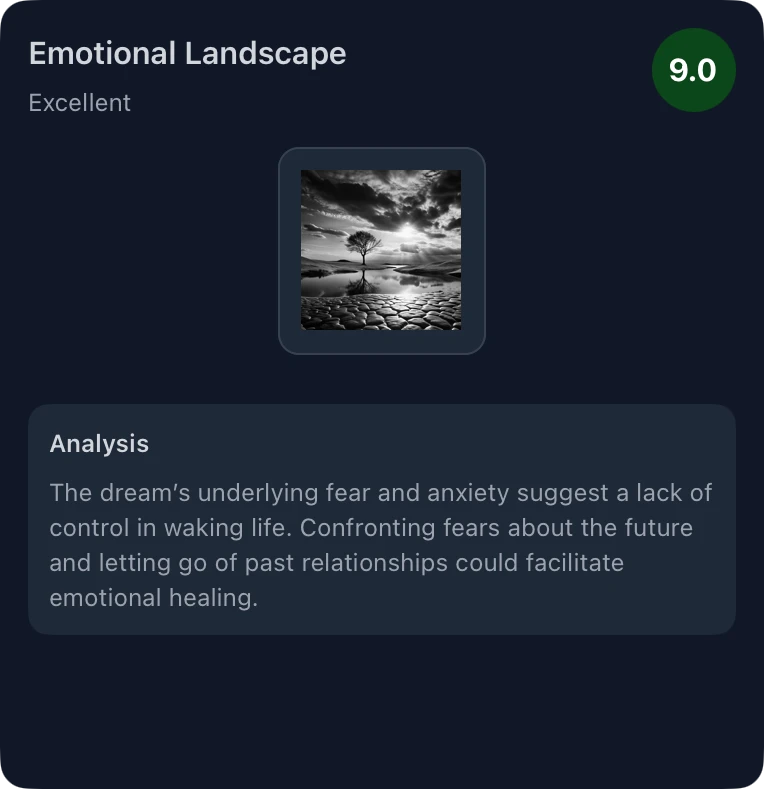
Modern technology can enhance your lucid dreaming practice. Our Dream Analysis Tool helps you:
- Track dream patterns and themes
- Identify dream signs
- Monitor lucidity progress
- Analyze dream content
- Set lucid dreaming goals
Dream Analysis Features

Get the Maxx Report App
Track your lucid dreams and receive personalized insights with our advanced dream analysis tools