
Eye Shape and Lighting: How to Enhance Your Eyes
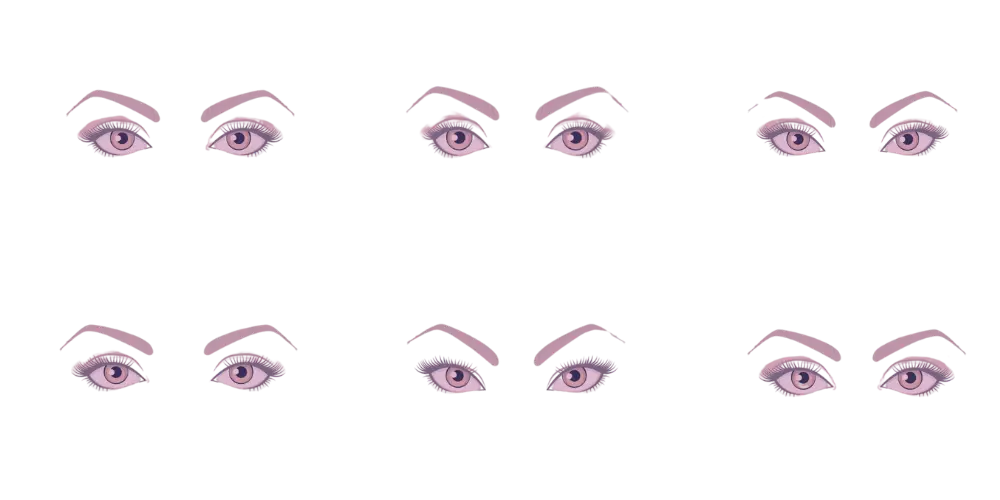
Understanding how lighting interacts with your unique eye shape is crucial for enhancing your natural beauty. Whether you're taking photos, applying makeup, or simply wanting to look your best in different lighting conditions, knowing your eye shape is the first step. Our AI-powered Eye Shape Detector can help you identify your exact eye shape for personalized lighting recommendations.
Understanding Light Direction and Eye Shape
The direction of light can dramatically affect how your eyes appear. Overhead lighting can create unflattering shadows, while frontal lighting might wash out your eye's natural contours. Each eye shape responds differently to various lighting conditions, making it essential to understand your specific features.
1. Natural Lighting Techniques
Natural light is often the most flattering for all eye shapes. When possible, position yourself facing a window at a 45-degree angle. This creates soft, even illumination that enhances your eye shape without harsh shadows. For photography, the "golden hours" (just after sunrise or before sunset) provide optimal lighting conditions.
2. Artificial Lighting Solutions
When natural light isn't available, strategic artificial lighting can enhance your eyes. Ring lights have become popular for their ability to provide even, flattering illumination. For different eye shapes, consider these specific lighting positions:
- Almond Eyes: Front-facing light slightly above eye level to accentuate the natural curve
- Round Eyes: Side lighting to create depth and dimension
- Hooded Eyes: Light positioned at a 45-degree angle to minimize shadows from the hood
- Downturned Eyes: Slightly higher light placement to lift the appearance of the outer corners
Makeup and Lighting Synergy
Your makeup application should work in harmony with both your eye shape and the lighting conditions. Consider these techniques:
1. Highlighting Techniques
Strategic highlighting can enhance your eye shape by catching and reflecting light. Apply highlighter to:
- Brow bone to lift and define
- Inner corner to brighten and open the eyes
- Center of lid to create dimension
- Outer corner for uplifting effect
2. Shadow Placement
Understanding how shadows interact with lighting can help you create more flattering looks. Dark colors recede while light colors bring features forward. Use this principle to enhance or minimize certain aspects of your eye shape.
Photography and Video Tips
When being photographed or filmed, consider these lighting principles:
- Avoid direct overhead lighting, which can create unflattering shadows
- Use diffused light sources to minimize harsh shadows and create soft, flattering illumination
- Consider using a reflector to bounce light back into shadowed areas
- Position key lights at eye level or slightly above for most flattering results
Everyday Lighting Considerations
Apply these principles to your daily life:
- Choose warm-toned light bulbs for your vanity or makeup area
- Position desk lamps to avoid casting shadows across your face during video calls
- Consider the lighting when choosing where to sit in restaurants or meetings
- Use light-colored walls to reflect and soften ambient lighting
Remember that lighting can dramatically impact how your eyes appear to others. By understanding your unique eye shape and applying these lighting principles, you can enhance your natural beauty in any situation. Whether you're taking photos, applying makeup, or simply going about your day, proper lighting can make a significant difference in how your eyes look and feel.
Eye Shape Detector

How Our Eye Shape Detector Works
Get the Maxx Report App
For personalized eye shape analysis and lighting recommendations, try our AI-powered Eye Shape Detector in the Maxx Report app