
Best Eyewear for Different Eye Shapes
Finding the perfect pair of glasses isn't just about following trends or choosing a favorite color. The most flattering eyewear complements your unique eye shape, enhancing your natural features while balancing your facial proportions. When eyewear is correctly matched to your eye shape, it can accentuate your best features, create facial harmony, and even help correct visual asymmetries.
Our AI-powered Eye Shape Detector has identified six primary eye shapes: almond, round, upturned, downturned, wide-set, and close-set. Each shape has distinct characteristics that influence which eyewear styles will be most flattering. In this comprehensive guide, we'll explore the ideal frame styles for each eye shape, helping you make informed choices when selecting your next pair of glasses or sunglasses.
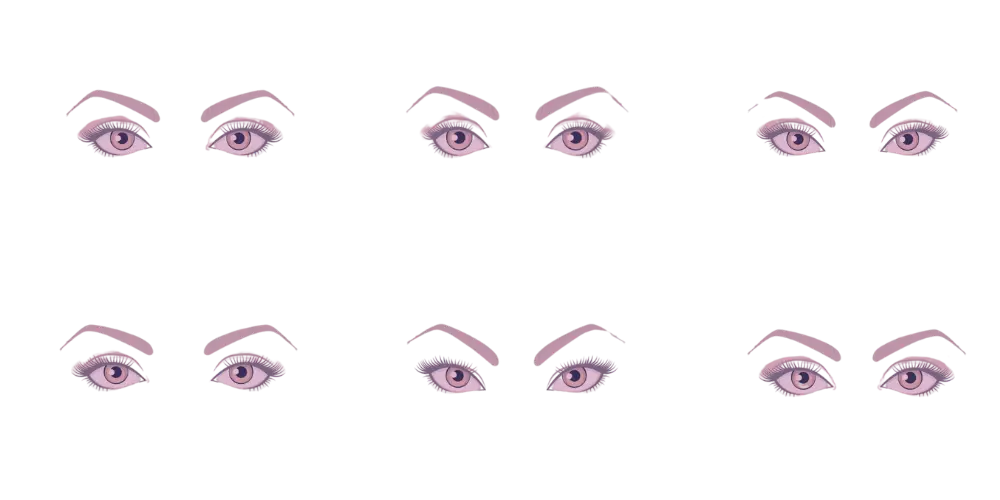
How to Choose Glasses Based on Your Eye Shape
Before diving into specific recommendations for each eye shape, it's important to understand some fundamental principles that guide eyewear selection:
- The Rule of Contrast: Generally, eyewear that contrasts with your natural eye shape creates balance. Round frames can soften angular features, while angular frames can add definition to softer features.
- Frame Proportion: The size of your frames should harmonize with your face size. Oversized frames can overwhelm small features, while tiny frames might look disproportionate on larger faces.
- Bridge Fit: The bridge (the part that rests on your nose) should fit comfortably without pinching or sliding down.
- Frame Weight: Consider how the weight of the frames will affect comfort, especially for all-day wear.
- Color Compatibility: Frame colors should complement your skin tone, hair color, and eye color for a cohesive look.
Eyewear Recommendations for Almond Eyes
Almond eyes are considered the most versatile and balanced eye shape. They're characterized by a slight upward tilt at the outer corners, with the iris touching both the upper and lower lids while the white of the eye remains mostly concealed.
Best Frame Styles for Almond Eyes:
- Virtually Any Shape: The balanced proportions of almond eyes allow for experimentation with nearly any frame style.
- Cat-Eye Frames: Accentuate the natural upward tilt of almond eyes, creating an elegant, sophisticated look.
- Rectangular Frames: Provide nice contrast while maintaining proportion with almond eyes.
- Aviators: Complement the natural curve of almond eyes while adding a classic, timeless appeal.
- Oval Frames: Echo the natural shape of almond eyes for a harmonious, balanced appearance.
For almond eyes, the focus should be on maintaining balance while enhancing your natural shape. Medium-sized frames typically work best, preventing the eyewear from overwhelming your features or appearing too small for your face.
Eyewear Recommendations for Round Eyes
Round eyes feature a circular shape with visible white space above and below the iris. They create a youthful, expressive appearance and are distinguished by their prominent, wide-open look.
Best Frame Styles for Round Eyes:
- Angular and Rectangular Frames: Create contrast with the natural roundness, adding structure and definition to softer features.
- Square Frames: Particularly effective at balancing round eyes with straight lines and defined corners.
- Geometric Shapes: Hexagonal or other geometric frames add interesting contrast and contemporary flair.
- Wayfarers: The classic wayfarer shape provides excellent structure and balance for round eyes.
- Frames with Strong Browlines: Draw attention upward and add definition to the eye area.
For round eyes, avoid perfectly round frames that might exaggerate the circular shape. Instead, opt for frames with angles and straight lines to create appealing contrast and add definition to your features.
Eyewear Recommendations for Upturned Eyes
Upturned eyes have a distinctive lift at the outer corners, creating a natural cat-eye effect. This eye shape often conveys a sense of youthfulness and elegance, with the lower lid appearing longer than the upper lid.
Best Frame Styles for Upturned Eyes:
- Cat-Eye Frames: Enhance the natural upward tilt, creating a harmonious, cohesive look.
- Frames with Decorative Temples: Draw attention to the outer corners of the eyes, enhancing their natural lift.
- Aviators: The teardrop shape complements the upward sweep while adding balance.
- Oval and Round Frames: Provide gentle contrast to the upward tilt while maintaining a soft appearance.
- Frames with Lower Emphasis: Styles that are heavier or more detailed on the bottom help balance the natural lift.
For upturned eyes, frames that follow or slightly enhance the natural upward tilt often look most flattering. Avoid frames that point downward at the outer edges, as these can create visual conflict with your natural eye shape.
Eyewear Recommendations for Downturned Eyes
Downturned eyes feature a slight drop at the outer corners, creating a soft, approachable appearance. This eye shape often conveys warmth and compassion, making the wearer appear friendly and accessible.
Best Frame Styles for Downturned Eyes:
- Cat-Eye Frames: Create a visual lift that counterbalances the natural downward tilt.
- Frames with Upswept Top Rim: Draw the eye upward, creating balance and a lifting effect.
- Frames with Decorated Upper Portions: Details on the top portion of the frame draw attention upward.
- Rimless or Semi-Rimless Frames: With an open bottom, these styles reduce visual weight on the lower portion of the eyes.
- Frames with Higher Temples: Connection points that sit higher on the frame create a lifting effect.
For downturned eyes, look for frames that create a visual lift and avoid styles that emphasize the downward angle. Frames with a straight or uplifted bottom rim often work best, while droopy styles can exaggerate the downturned appearance.
Eyewear Recommendations for Wide-Set Eyes
Wide-set eyes are positioned with more than one eye-width between them. This eye placement creates an open, expansive appearance that can make the face appear broader and more spacious.
Best Frame Styles for Wide-Set Eyes:
- Frames with Low Bridges: A lower bridge helps create the illusion of closer-set eyes.
- Frames with Nose Pads: Adjustable nose pads allow for customization of where the frames sit on your face.
- Darker Interior Frame Colors: Dark colors on the inner portion of the frame create the visual effect of bringing the eyes closer together.
- Frames with Decorative Inner Corners: Details near the nose draw attention to the center of the face.
- Wide Frames: Frames that extend beyond the edges of your face help create proportion and balance.
For wide-set eyes, choose frames that help create the illusion of centrality. Avoid extremely narrow frames or those with heavily emphasized outer edges, as these can accentuate the distance between your eyes.
Eyewear Recommendations for Close-Set Eyes
Close-set eyes are positioned with less than one eye-width between them. This eye placement creates a focused, intense gaze and often makes the bridge of the nose appear narrower.
Best Frame Styles for Close-Set Eyes:
- Frames with Wide Bridges: A wider bridge helps create the illusion of more space between the eyes.
- Frames with Decorative Outer Edges: Details on the outer portion of the frame draw attention outward.
- Clear or Light-Colored Bridge: Lighter colors on the central portion of the frame create a more open, spacious appearance.
- Aviator or Butterfly Shapes: These shapes widen at the outer edges, drawing attention outward.
- Frames with Emphasized Temples: Decorative temple pieces draw attention to the sides of the face.
For close-set eyes, choose frames that help create the illusion of width and space. Avoid narrow frames or those with heavy emphasis on the bridge, as these can make your eyes appear even closer together.
Advanced Tips for Eyewear Selection
Beyond the basic recommendations for each eye shape, these advanced considerations can help you fine-tune your eyewear selection:
Frame Materials and Their Impact:
- Metal Frames: Create a lighter, more delicate appearance that works well for adding subtle definition without overwhelming features.
- Acetate and Plastic Frames: Offer bold color options and substantial presence, ideal for making a statement or adding significant structure.
- Combination Materials: Provide versatility, with the option to emphasize different areas of the frame with different materials.
- Rimless Designs: Create a minimal, unobtrusive look that allows your natural features to remain the focus.
Color Considerations:
- Contrasting Colors: Frames that contrast with your eye color can make your eyes appear more vibrant and noticeable.
- Complementary Colors: Frames in colors that complement your eye color create a harmonious, cohesive appearance.
- Skin Tone Matching: Consider whether warm or cool frame colors better suit your skin's undertones.
- Strategic Color Blocking: Frames with multiple colors can be used to emphasize or de-emphasize specific areas.
How Our AI Technology Analyzes Eye Shape
At Maxx Report, we've developed advanced AI technology that precisely analyzes eye shape using multiple parameters. Our AI-powered Eye Shape Detector considers:
- Eye Tilt Angle: We measure the angle between the inner and outer corners of each eye to determine if eyes are upturned, downturned, or neutral.
- Eye Openness Ratio: By calculating the ratio of visible eye white (sclera) to iris, we can identify round eyes versus other shapes.
- Intercanthal Distance: The precise measurement between the inner corners of both eyes helps us determine if eyes are wide-set or close-set.
- Eye Contour Mapping: Our AI creates a detailed map of the eye's perimeter to distinguish shapes like almond from round or oval.
- Eyelid Structure Analysis: We evaluate the presence and prominence of eyelid folds, which can influence how eyewear sits on the face.
This sophisticated analysis provides personalized recommendations far more accurate than generic guidelines. By understanding the precise measurements and proportions of your eye shape, we can suggest eyewear that truly complements your unique features.
Common Eyewear Mistakes to Avoid
- Choosing Frames Based Solely on Trends: While trendy frames can be appealing, they may not complement your eye shape or facial structure.
- Ignoring Proportion: Frames that are too large or too small for your face can create an unbalanced appearance.
- Neglecting Bridge Fit: An ill-fitting bridge can cause glasses to slip down or pinch, affecting both comfort and appearance.
- Overlooking Lens Options: Consider how lens thickness, coatings, and transitions might affect the overall look of your eyewear.
- Forgetting Face Shape: While this guide focuses on eye shape, remember that your overall face shape also influences which frames will look best.
Conclusion: Finding Your Perfect Frames
Finding eyewear that perfectly complements your eye shape is both an art and a science. While the guidelines provided here offer an excellent starting point, remember that personal style and comfort should also play significant roles in your selection process.
With the help of our AI-powered Eye Shape Detector, you can receive personalized recommendations based on your unique eye shape and facial features. This technology eliminates the guesswork, helping you confidently select frames that enhance your natural beauty.
The perfect pair of glasses does more than correct vision—it frames your expression, complements your features, and can even influence how others perceive you. By understanding your eye shape and applying these expert guidelines, you'll be well-equipped to choose eyewear that helps you look and feel your absolute best.
Remember that while rules provide helpful guidance, they're meant to be flexible. Sometimes, breaking a traditional eyewear rule leads to a distinctive, signature look that perfectly expresses your personality. Trust your instincts, experiment with different styles, and ultimately choose frames that make you feel confident and comfortable.
Eye Shape Detector

How Our Eye Shape Detector Works
Get the Maxx Report App
For personalized eyewear recommendations based on your eye shape, try our AI-powered Eye Shape Detector in the Maxx Report app